The Quiet Alleys of Kyoto: A Wabi-Sabi Journey Across Kansai
Finding presence within the weathered cedar timbers, gravel courtyards, and silent morning mist of Japan's historic cultural capital.
Kyoto is often spoken of in the grandeur of its gilded pavilions and vibrant vermilion torii gates. Yet the real spirit of the city lives in the unpolished corners: the gentle sound of rainwater cascading down rain chains (kusari-toi), the faint aroma of roasted hojicha from a neighborhood roasting shop, and the quiet footfalls upon weathered stone flagstones before dawn.
During a two-week stay in a preserved machiya within the Nishijin weaving district, we set aside the classic tourist lists. Rather than racing through dozens of UNESCO sights, we chose to observe the rhythm of a single district as sunlight tracked across tatami mats.
The Aesthetic of Weathered Wood
In Japanese thought, wabi-sabi is not merely a style; it is an ontological acknowledgement of transience and imperfection. Wood is allowed to grey; ceramic tea bowls display intentional fissures mended with gold (kintsugi); moss creeps deliberately over carved granite lanterns.
Walking along the Shirakawa canal in the early morning, one encounters an older gentleman sweeping fallen willow leaves with a bamboo broom. The act is not performed with urgency, but with rhythmic dedication. Travel here becomes an exercise in recalibrating one's sensory threshold.
Finding Sanctuary Away from the Center
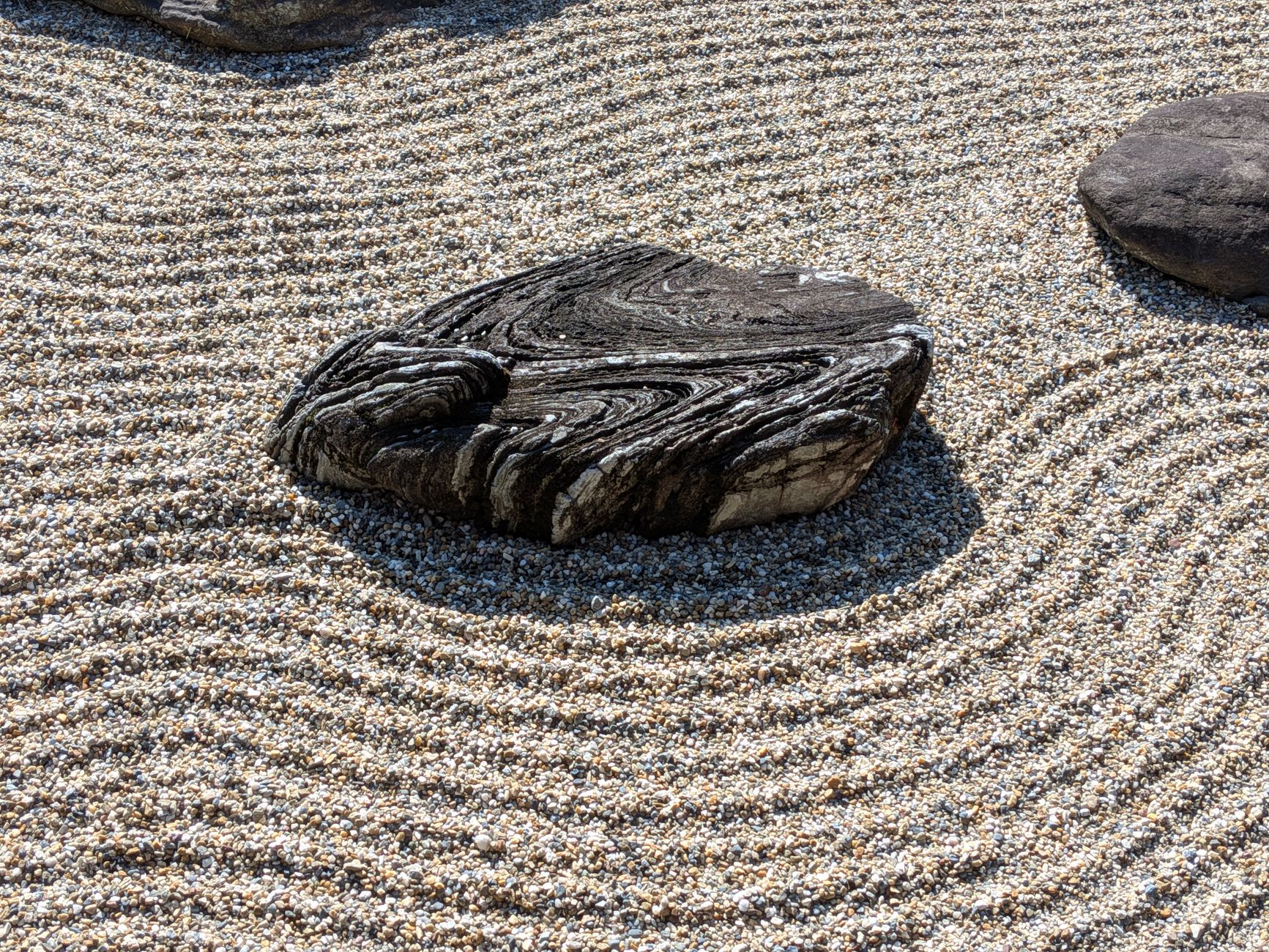
While central Gion attracts bustling crowds, travelling north toward Daitoku-ji reveals sub-temples of astonishing quietude. Within Zuiho-in, dry landscape rocks break through gravel waves like islands in an imaginary sea. Here, sitting on the veranda (engawa) for an hour brings an enduring sense of calm that no hurried itinerary can provide.
For those preparing an itinerary through the Kansai basin, we recommend selecting no more than two encounters per day: one contemplative temple garden, followed by an unstructured afternoon roaming artisan pottery kilns in Gojozaka.